Movementc. 1917–1933
Constructivism
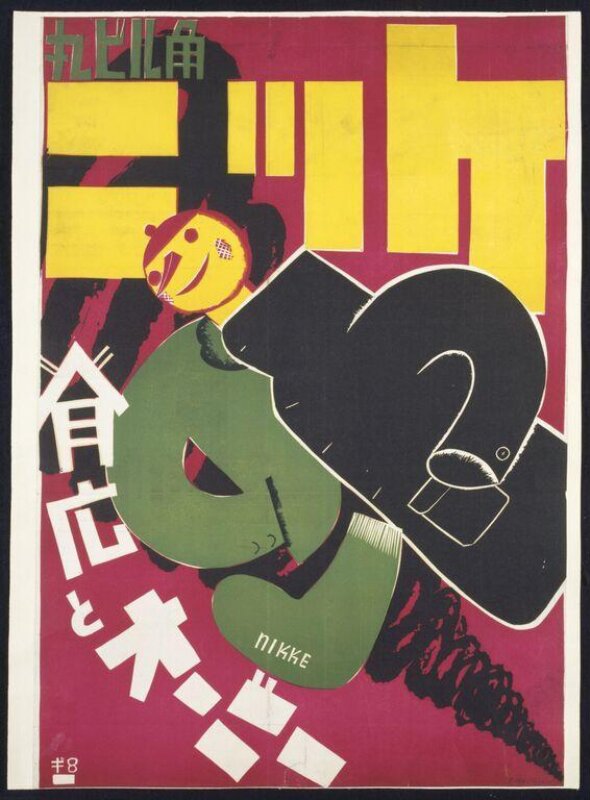
Heavy typography, diagonals and geometric structures make a page feel active and forceful.
Diagonal axes
Idealized figures, emphatic scale and clear narrative framing make a political or civic message immediately legible.
Socialist Realism was an officially sanctioned Soviet artistic doctrine that shaped posters as well as painting and other media. Its visual communication often centered legible narratives, idealized figures and the celebration of labor or state goals. Retouched photography could be integrated into a convincing pictorial whole, so the transition from Constructivism was not simply a switch from photographs to painting. It is distinct from Social Realism, a broader term for art concerned with social conditions.
Viktor Koretsky · Vera Gitsevich · Boris Knoklok
Study how gaze, gesture and relative scale direct attention toward a central message. Identify the political context and intended audience of each example.
Do not confuse Socialist Realism with Social Realism, or label every Soviet poster alike. A visual resemblance alone does not establish doctrine or political intent.
Heavy typography, diagonals and geometric structures make a page feel active and forceful.

Reduced illustration and clearly organized lettering turn civic messages into direct, accessible posters.

Photographic fragments are combined to create an image that a single camera exposure would not produce.