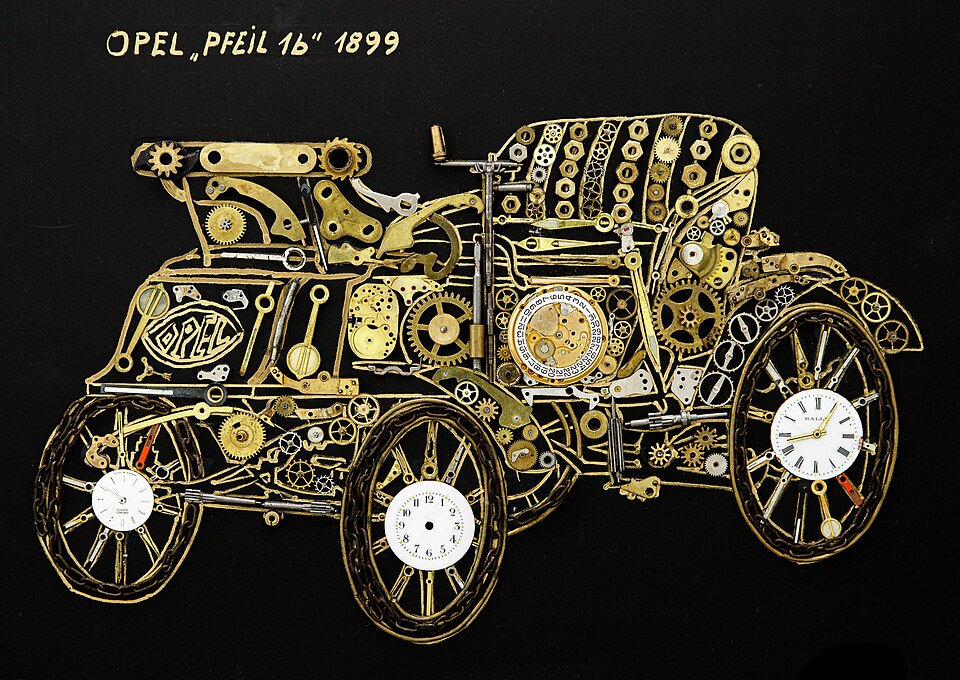
TechniqueUndated
Collage
Separate materials or image fragments retain their edges while forming a new composition.
Visible seams
Photographic fragments are combined to create an image that a single camera exposure would not produce.
Photomontage is a form of collage built from photographs, often used as a vehicle for political protest. Dadaists took it up in 1915 as part of their opposition to the First World War, and the surrealists later used it to combine unrelated images in ways suggestive of the unconscious. From 1923 the Russian constructivist Aleksander Rodchenko applied it to socially engaged work, while John Heartfield reworked media imagery against German Fascism and Peter Kennard addressed inequality and nuclear arms from the 1970s to the 1990s.
Historical context draws on the supplied research. Approximate periods are reference ranges, not fixed boundaries. See the source notes below.
Match or deliberately contradict lighting and perspective with clear intent.
Distinguish a constructed image from documentary evidence.
Separate materials or image fragments retain their edges while forming a new composition.
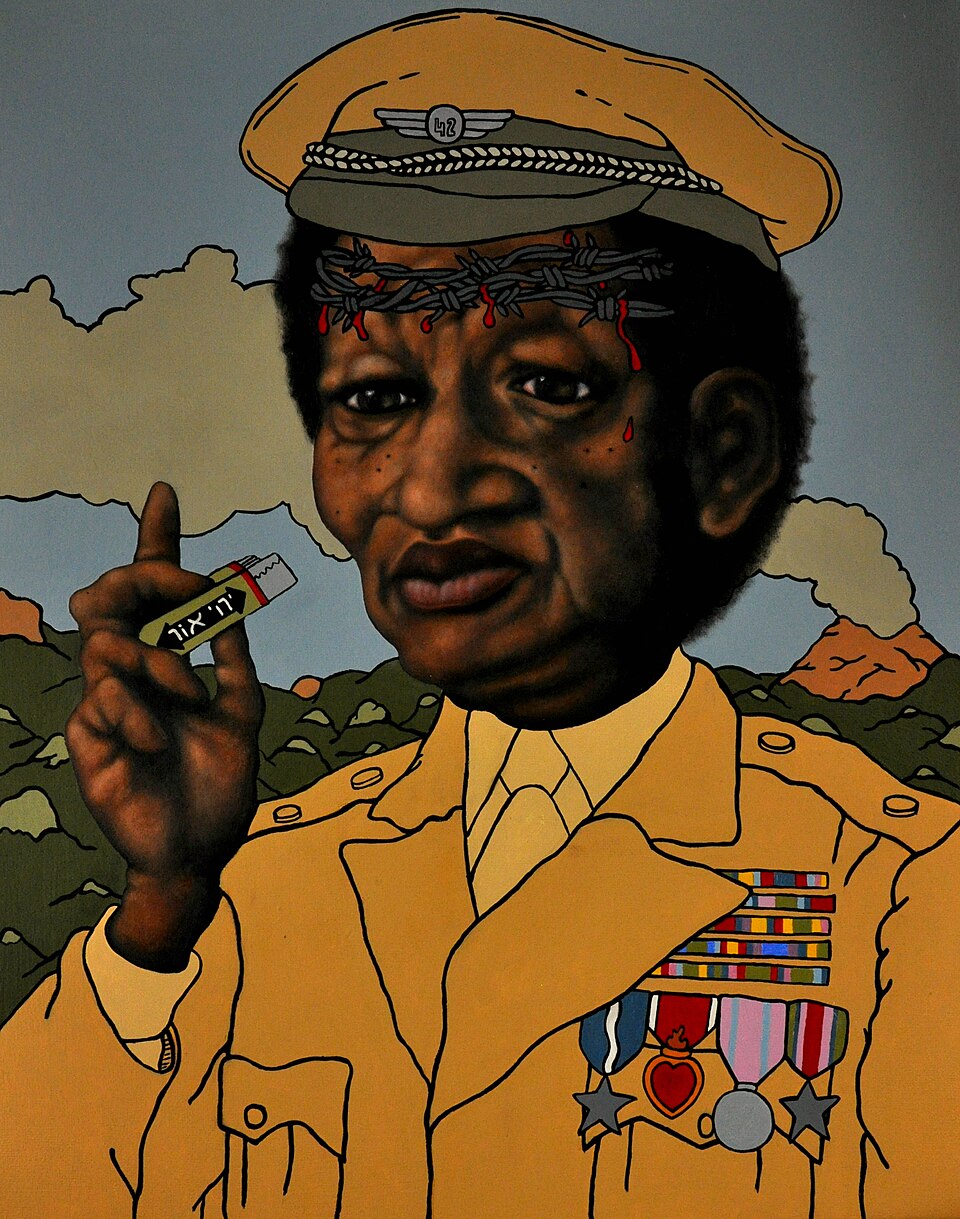
Unexpected relationships between familiar things make the image feel dreamlike, impossible or psychologically charged.