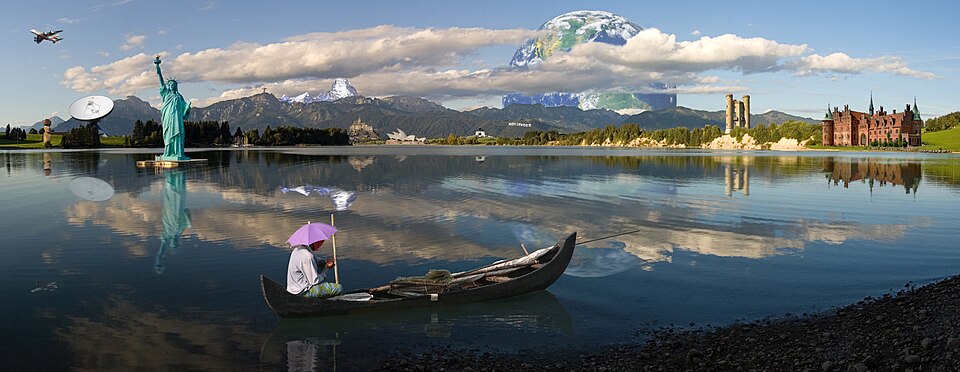
TechniqueUndated
Photomontage
Photographic fragments are combined to create an image that a single camera exposure would not produce.
Cut photographic edges
Unexpected relationships between familiar things make the image feel dreamlike, impossible or psychologically charged.
Surrealism was a twentieth-century movement spanning art, literature and philosophy. Guillaume Apollinaire coined the word in 1917, and André Breton defined the movement in his 1924 Surrealist Manifesto around the idea of psychic automatism. Surrealists set out to release the unconscious and dreams, using automatic drawing and writing and depicting dreamlike scenes to find strange beauty in the unexpected and uncanny. Figures associated with it include Salvador Dalí, René Magritte, Max Ernst, Joan Miró and Leonora Carrington.
Historical context draws on the supplied research. Approximate periods are reference ranges, not fixed boundaries. See the source notes below.
Choose one coherent visual contradiction rather than many unrelated surprises.
An unusual image is not automatically a work of the historical movement.
Photographic fragments are combined to create an image that a single camera exposure would not produce.
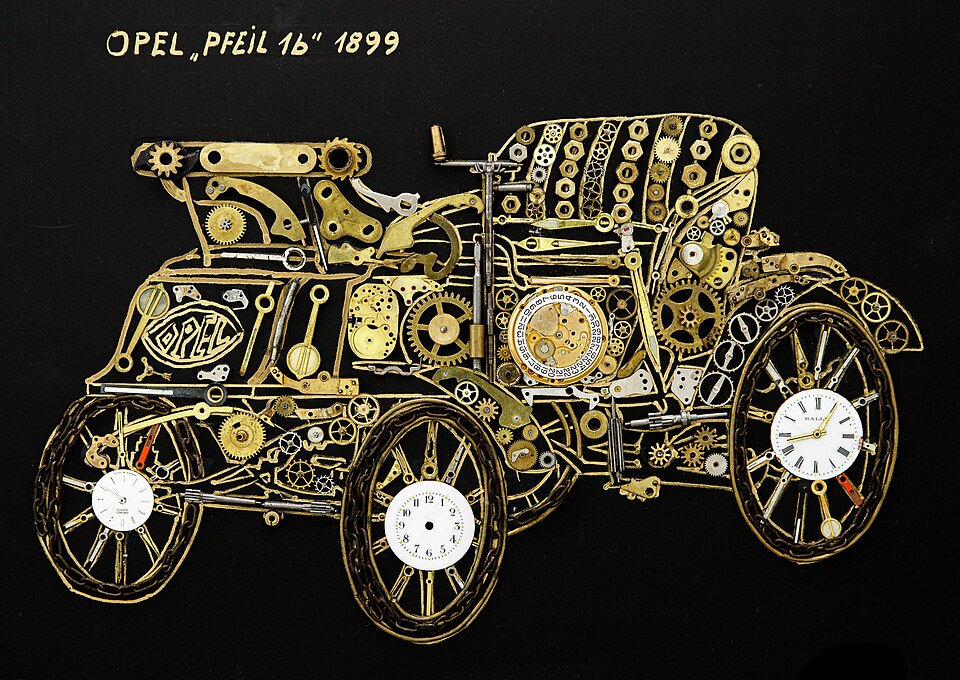
Separate materials or image fragments retain their edges while forming a new composition.