TechniqueUndated
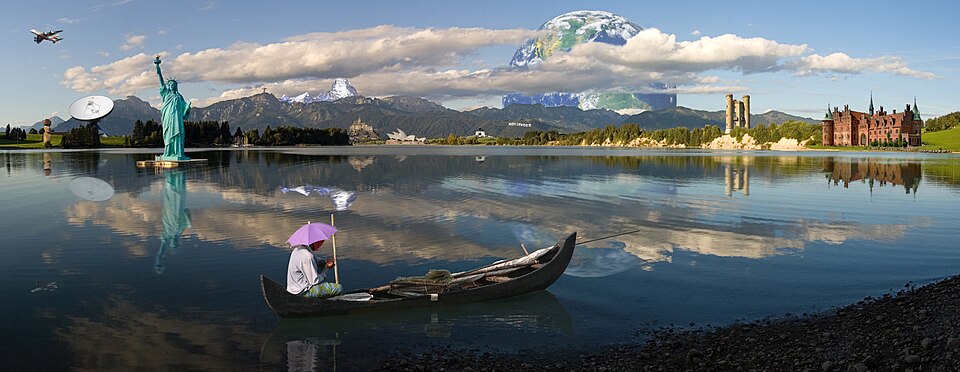
Photomontage
Photographic fragments are combined to create an image that a single camera exposure would not produce.
Cut photographic edges
Separate materials or image fragments retain their edges while forming a new composition.
Collage names both a technique and the artwork it produces, in which paper, photographs, fabric and other ephemera are arranged and glued onto a support. The word comes from the French papiers collés, or découpage, which referred to pasting cut paper onto surfaces. Artists first adopted it as a technique in the early twentieth century. A collage may also combine painting and drawing and can include three-dimensional elements.
Historical context draws on the supplied research. Approximate periods are reference ranges, not fixed boundaries. See the source notes below.
Create a clear anchor before introducing competing fragments.
A pile of unrelated assets needs a compositional reason to become a collage.
Photographic fragments are combined to create an image that a single camera exposure would not produce.
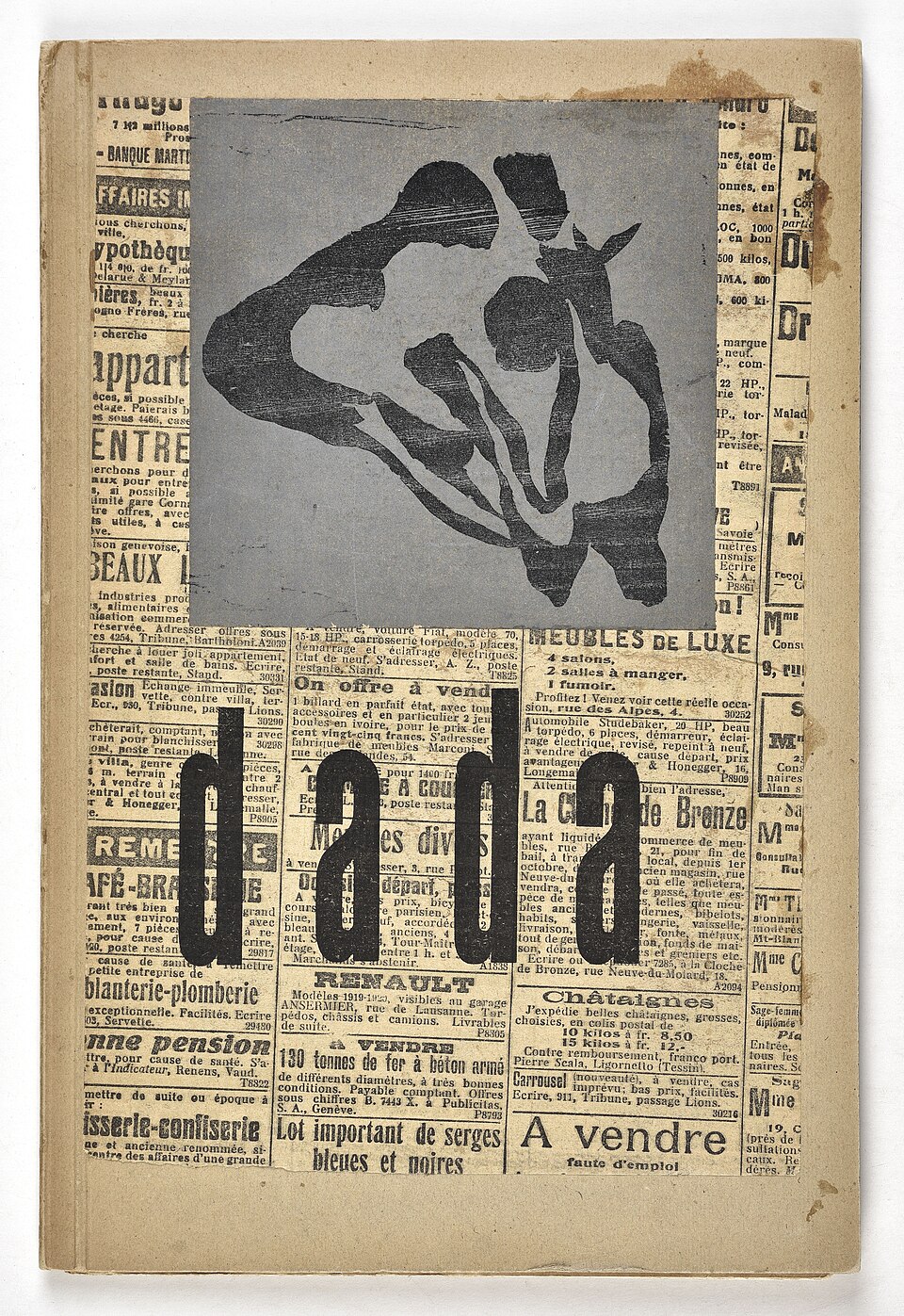
Disjointed type, found material and abrupt changes in scale interrupt ordinary reading and visual expectation.