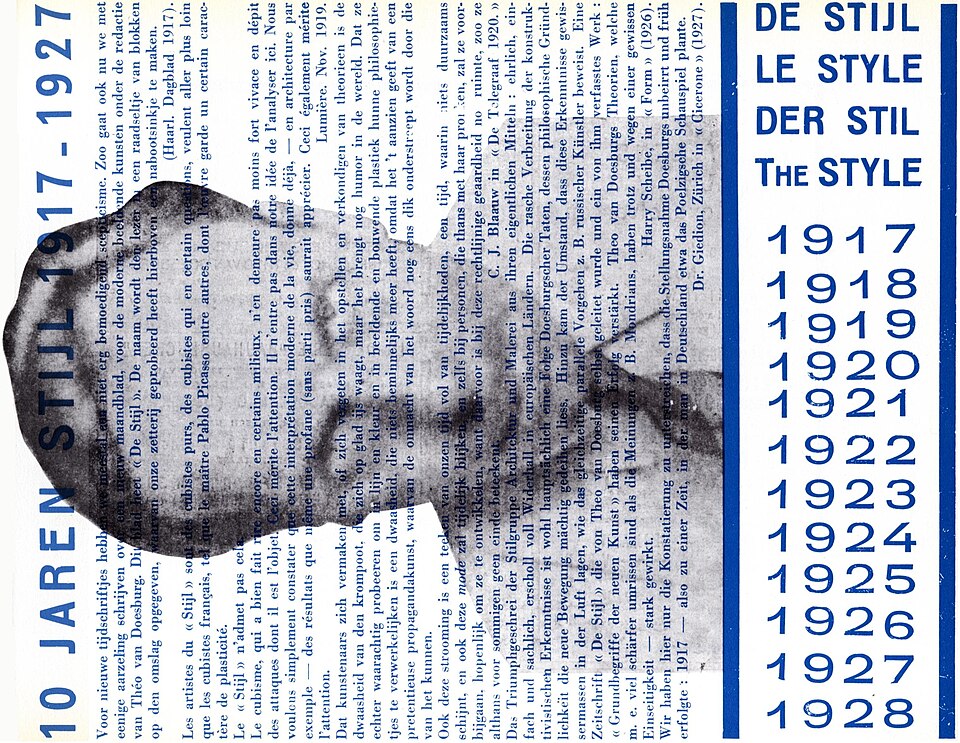
Movementc. 1917–1931
De Stijl
Horizontal and vertical relationships organize flat geometric fields into an asymmetrical equilibrium.
Orthogonal divisions
Elementary geometric forms float in open space, with balance produced through position, angle and scale.
Suprematism is an abstract art movement that Kazimir Malevich named and developed from 1913. Its paintings are built from simple geometric shapes such as squares, circles, lines and rectangles in a restricted palette, usually set floating on a white ground, with colour and spatial relations central to the effect. The first suprematist exhibition was held in St Petersburg in December 1915, and artists including El Lissitzky and László Moholy-Nagy later took up its approach.
Historical context draws on the supplied research. Approximate periods are reference ranges, not fixed boundaries. See the source notes below.
Use spacing and relative scale as the main expressive material.
Geometric similarity does not establish historical membership or influence.
Horizontal and vertical relationships organize flat geometric fields into an asymmetrical equilibrium.
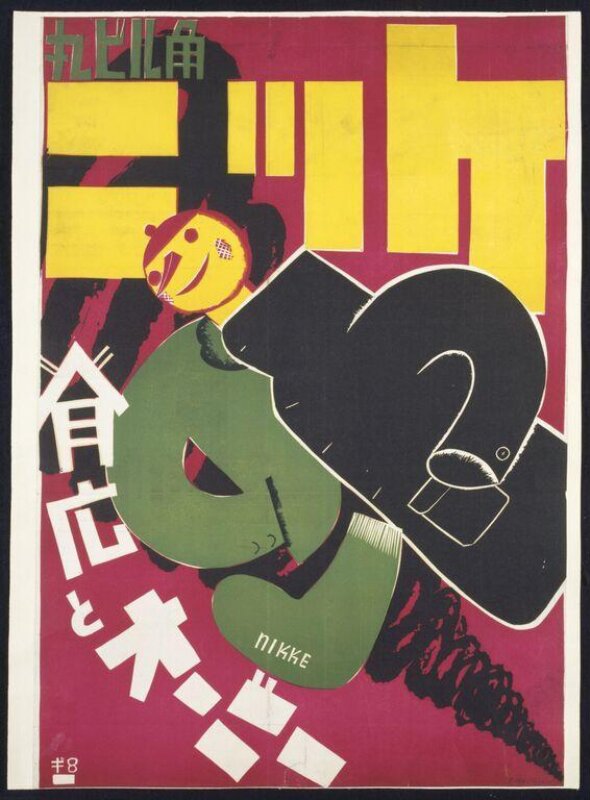
Heavy typography, diagonals and geometric structures make a page feel active and forceful.