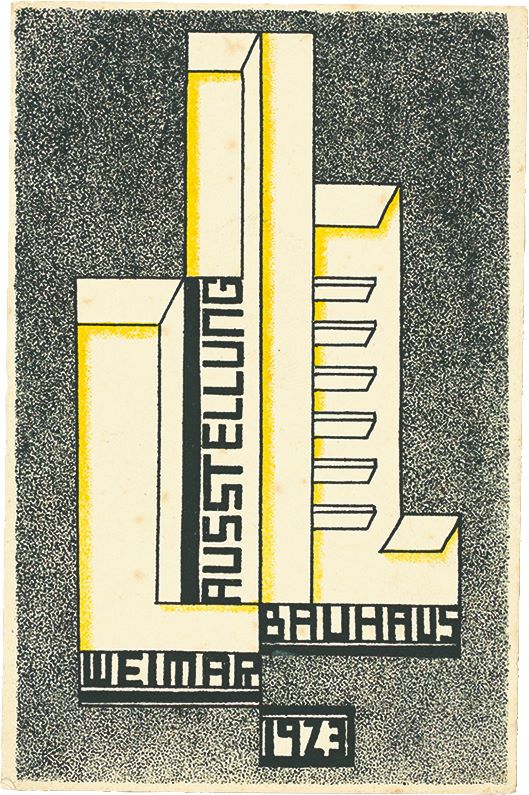
Movementc. 1919–1933
Bauhaus
Geometric form, asymmetrical organization and economical typography make communication feel constructed and purposeful.
Primary geometric shapes
Horizontal and vertical relationships organize flat geometric fields into an asymmetrical equilibrium.
De Stijl connected geometric abstraction with a search for a wider order in art and daily life. Graphic work associated with the journal uses strong horizontal and vertical relationships, modular lettering and reduced color. Neoplasticism and Elementarism are related positions rather than exact interchangeable names for the entire movement.
Theo van Doesburg · Piet Mondrian · Vilmos Huszár · Bart van der Leck · Gerrit Rietveld
Historical context draws on the supplied research. Approximate periods are reference ranges, not fixed boundaries. See the source notes below.
Balance unequal areas rather than centering every element.
A fixed rectangular template misses the tension between positive and negative space.
Geometric form, asymmetrical organization and economical typography make communication feel constructed and purposeful.
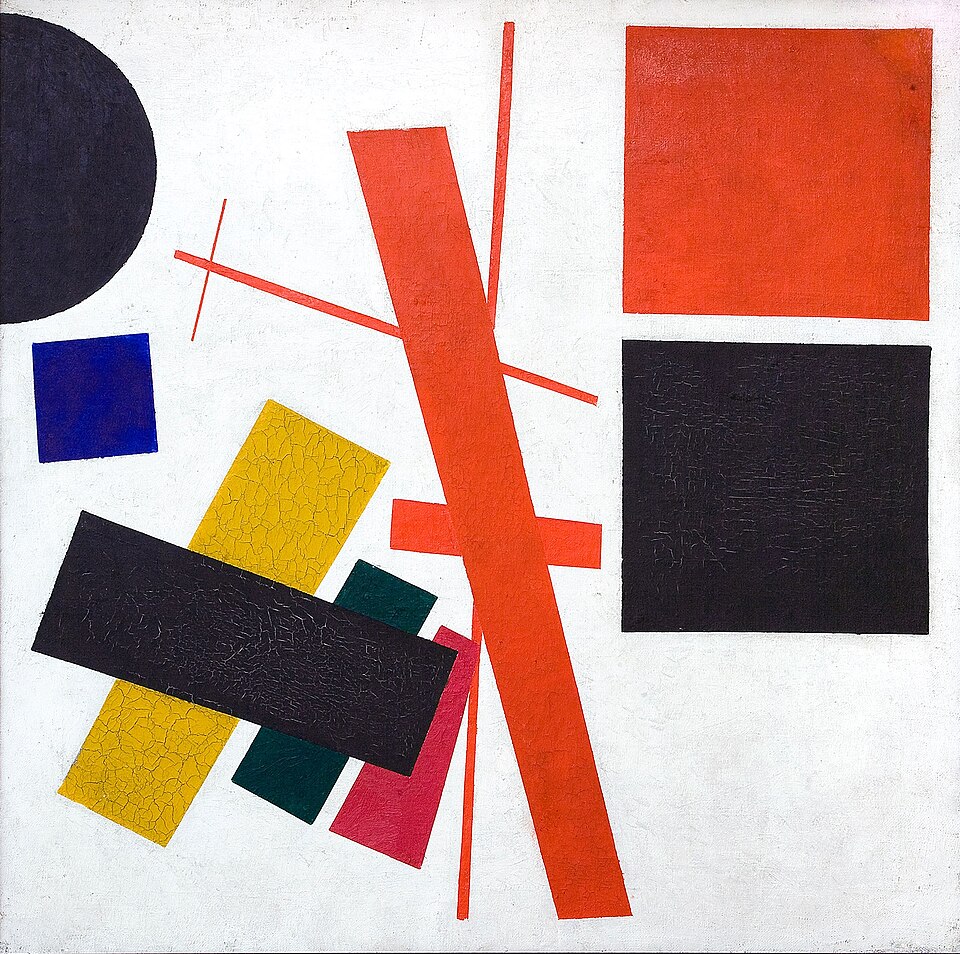
Elementary geometric forms float in open space, with balance produced through position, angle and scale.