TechniqueUndated
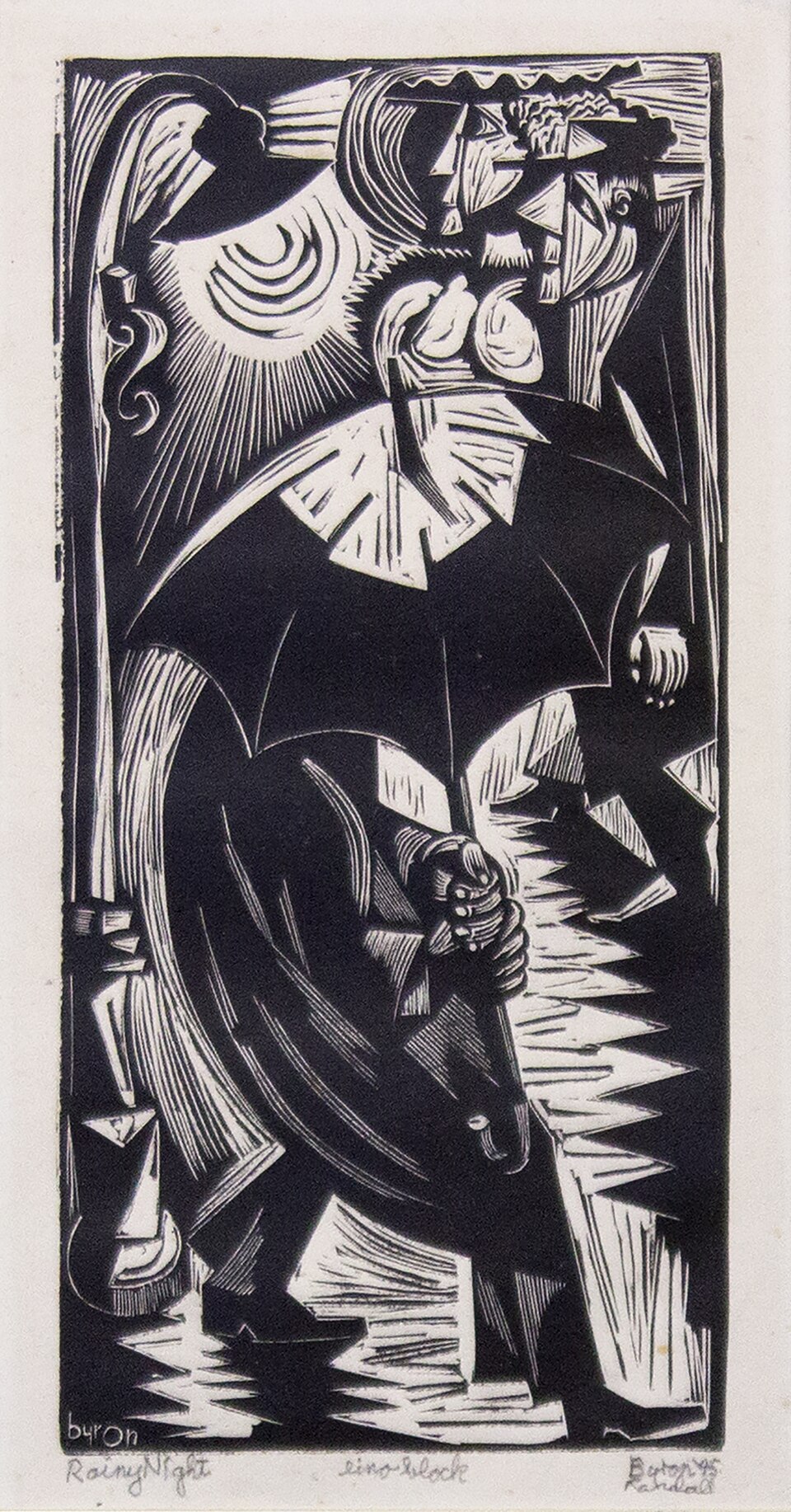
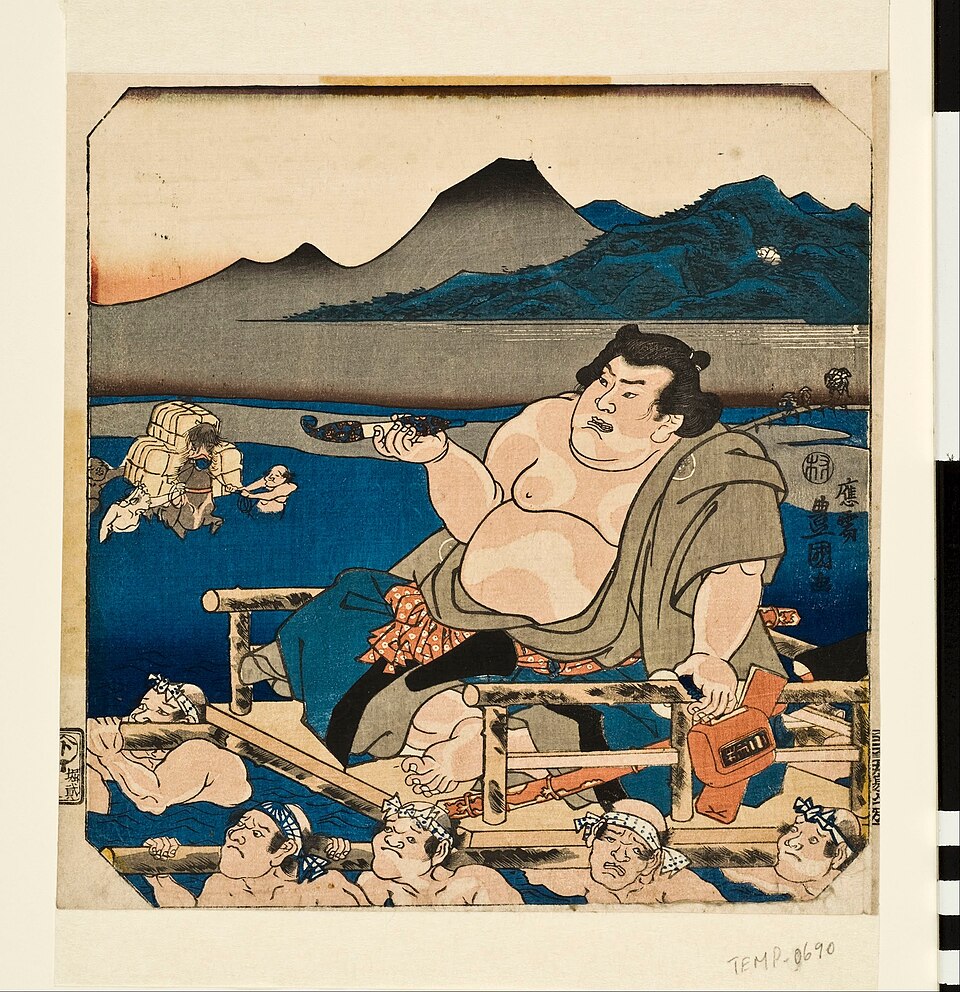
Woodcut
Carved lines and printed solid areas turn the contrast between ink and paper into an expressive surface.
Strong cut contours
Fine incised lines and layered hatching build tone through a dense, tactile drawing surface.
Etching is an intaglio printmaking technique in which chemical action cuts lines into a metal plate, and those sunken lines hold the ink that forms the image. The plate, traditionally copper and now usually zinc, is coated with an acid-resistant ground; the artist draws through it to expose the metal, and immersion in acid bites the exposed lines, more deeply with stronger acid or longer exposure. The ground is then removed and the plate is inked, wiped and pressed onto paper under heavy pressure. Used to decorate metal from the fourteenth century, it was probably little used for printmaking before the early sixteenth century.
Historical context draws on the supplied research. Approximate periods are reference ranges, not fixed boundaries. See the source notes below.
Reserve fine detail for reproduction sizes that can sustain it.
Do not confuse an etched visual effect with a verified printing process.