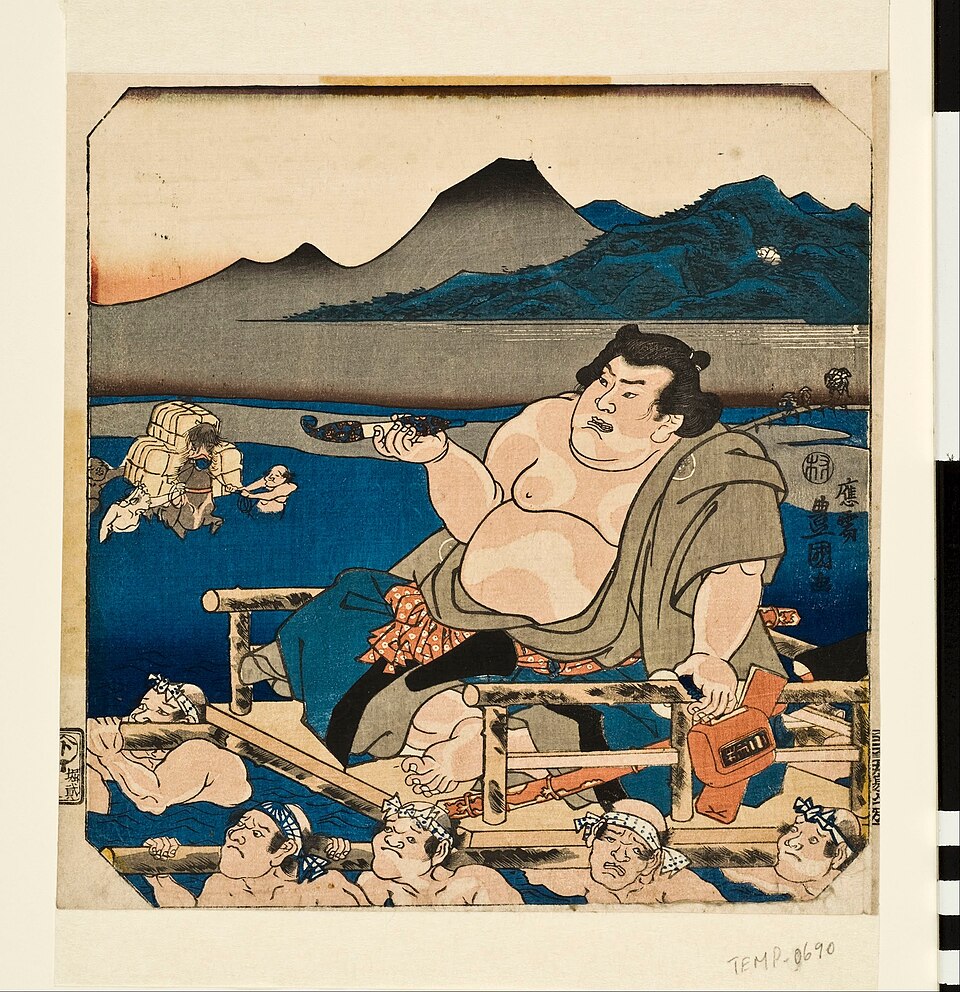
TechniqueUndated
Woodcut
Carved lines and printed solid areas turn the contrast between ink and paper into an expressive surface.
Strong cut contours
Cut marks and broad printed shapes make a composition feel direct and tactile.
A linocut is a relief print made much like a woodcut, except that the design is cut into and printed from linoleum. The block is a thin layer of linoleum, a canvas backing coated with solidified linseed oil, generally mounted on wood. Because linoleum is soft and has no grain, it can be cut in any direction more easily than wood, leaving a raised surface whose slight texture takes ink evenly. Linoleum was invented as flooring in the nineteenth century and became popular for printmaking among artists and amateurs in the twentieth.
Historical context draws on the supplied research. Approximate periods are reference ranges, not fixed boundaries. See the source notes below.
Plan the areas that remain and those removed as equally active shapes.
A distressed filter lacks the directional logic of a carved mark.
Carved lines and printed solid areas turn the contrast between ink and paper into an expressive surface.
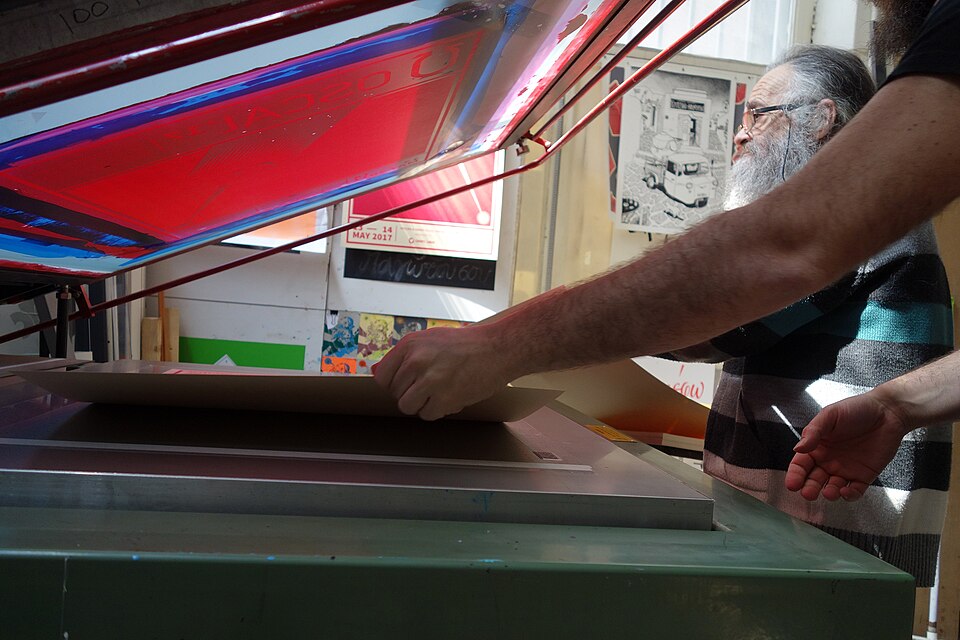
Separate ink passes produce strong silhouettes, opaque color and purposeful overlap.