TechniqueUndated
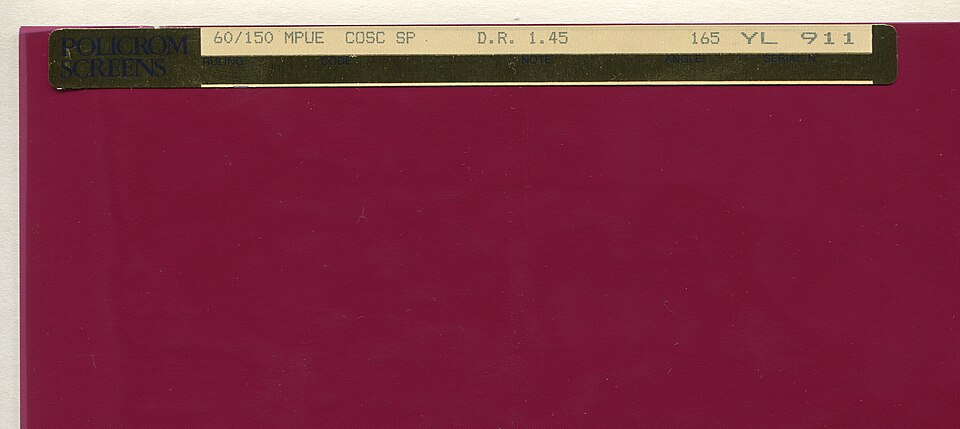
Halftone
A regular field of marks translates continuous tone into a printable pattern.
Visible dot screens
Bold outlines, repetition and familiar commercial imagery give the image an immediate, graphic impact.
Pop art is an art movement that arose in Britain in the mid 1950s and in America in the late 1950s, reaching its height in the 1960s. Rebelling against prevailing ideas of what art should be, its artists drew imagery from popular and commercial sources such as Hollywood films, advertising, packaging, pop music and comic books. American pop marked a return to representation after abstract expressionism, while British pop took a more academic approach, examining what American popular imagery signified and how it shaped lifestyles.
Historical context draws on the supplied research. Approximate periods are reference ranges, not fixed boundaries. See the source notes below.
Let repetition or a familiar visual code carry the main idea.
Commercial-looking imagery alone does not explain the cultural context of a work.
A regular field of marks translates continuous tone into a printable pattern.
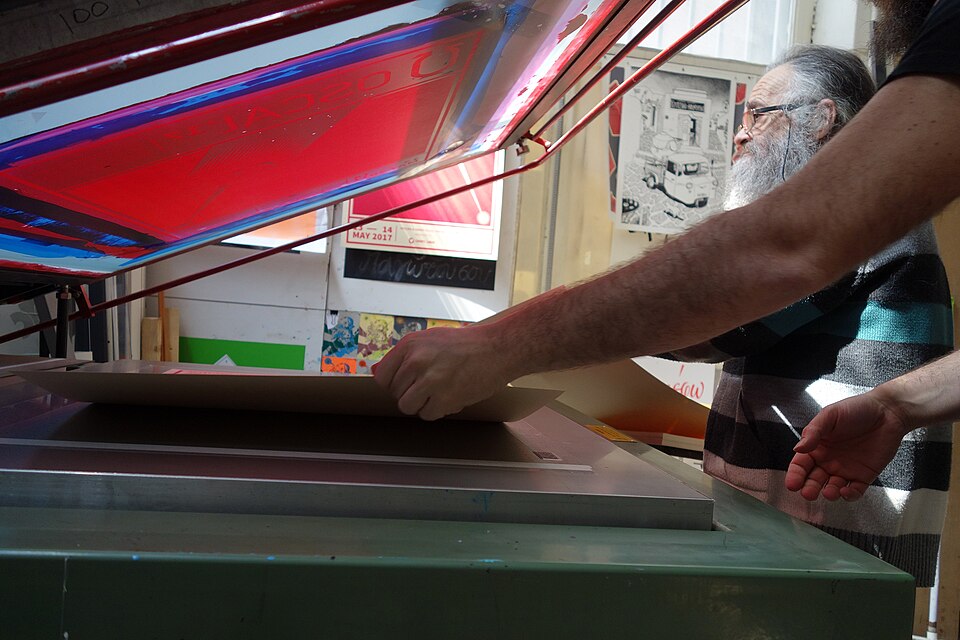
Separate ink passes produce strong silhouettes, opaque color and purposeful overlap.