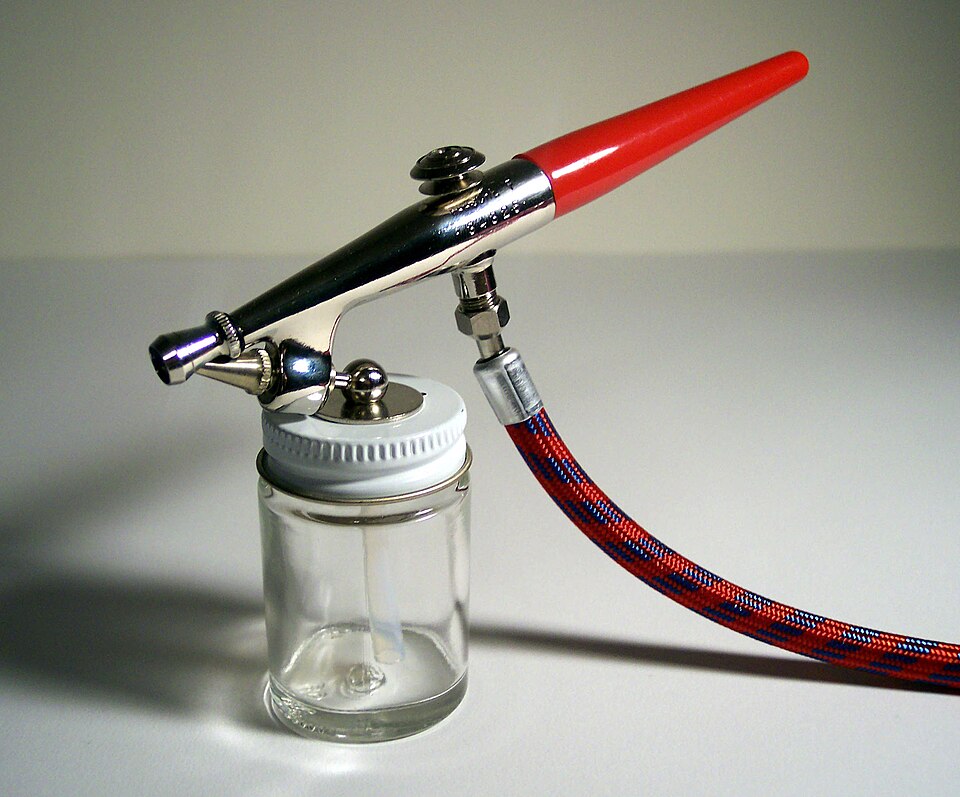
Stylec. 1920–1939
Art Deco
Geometric ornament and stylized volume give the page a monumental, carefully staged presence.
Stepped silhouettes
Long horizontal movement and rounded, aerodynamic forms give objects and compositions a sense of flow.
Streamline Moderne is an international strand of Art Deco architecture and design that appeared in the 1930s. Drawing on aerodynamic design, it favoured curving forms, long horizontal lines and sometimes nautical motifs, and was applied in industrial design to suggest sleekness and modernity; in France it was called the ocean liner style, after the SS Normandie launched in 1932. Buildings often featured rounded corners, horizontal wall grooves, glass brick, porthole windows, flat roofs and chrome hardware, commonly finished in white or muted pastels.
Alfonso Iannelli · Vincent G. Raney · Donald Deskey
Historical context draws on the supplied research. Approximate periods are reference ranges, not fixed boundaries. See the source notes below.
Use a continuous directional rhythm and a restrained set of curves.
Distinguish the aerodynamic emphasis from broader geometric Art Deco ornament.