MovementUndated
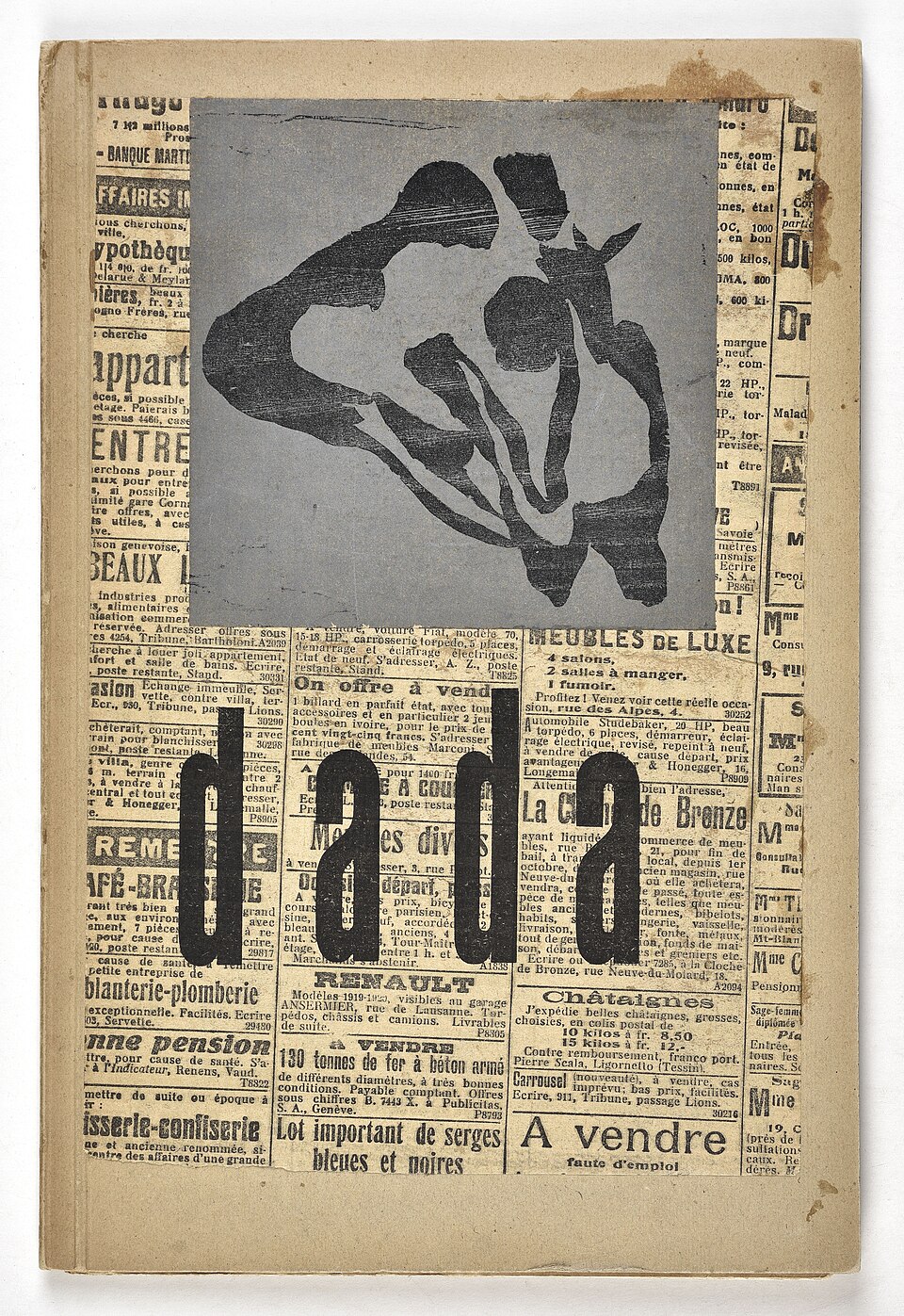
Dada
Disjointed type, found material and abrupt changes in scale interrupt ordinary reading and visual expectation.
Found typography
Explosive typography and competing directional forces turn text into a visual expression of motion.
Futurist graphic work explored speed, sound and mechanical energy through unconventional typography. Words and letters became pictorial material, interrupting ordinary syntax and reading order. Its formal experimentation must be understood alongside the movement’s militarism and the political commitments of individual practitioners.
Filippo Tommaso Marinetti · Fortunato Depero · Umberto Boccioni
Historical context draws on the supplied research. Approximate periods are reference ranges, not fixed boundaries. See the source notes below.
Use disrupted reading order for a deliberate expressive passage.
Preserve a clear route to essential information when adapting it to interfaces.
Disjointed type, found material and abrupt changes in scale interrupt ordinary reading and visual expectation.

A disciplined typographic foundation is stretched through layering, altered spacing and unconventional reading paths.