TechniqueUndated
Lithography
A drawn image can retain fluid lines and tonal variety when reproduced from a prepared flat surface.
Drawn mark character
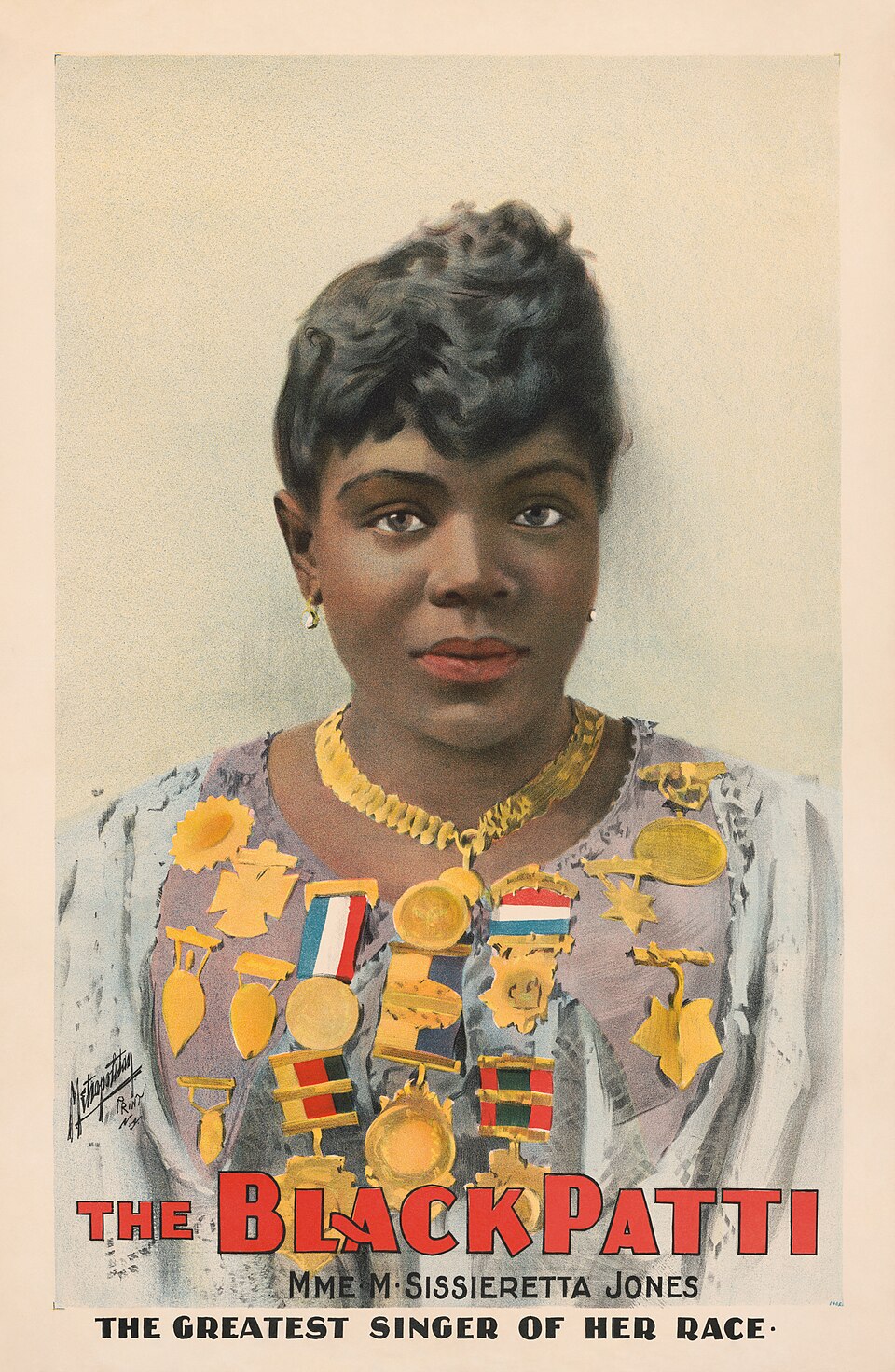
Multiple lithographic color passes combine to reproduce richly colored illustration.
Chromolithography is a colour printing process that marked a turning point in the history of product packaging, which before it was mostly printed in one colour or coloured by hand. It built on lithography, a monochrome method discovered by Alois Senefelder in 1798 and brought to Britain in 1801. Godefroy Engelmann patented chromolithography in 1837, and it reached Britain from the 1840s. The Museum of Brands describes it as the printmaking process that brought colour to a mass audience.
Historical context draws on the supplied research. Approximate periods are reference ranges, not fixed boundaries. See the source notes below.
Study how separate colors combine rather than applying a generic vintage filter.
This is a reproduction technique, not a synonym for Victorian design.
A drawn image can retain fluid lines and tonal variety when reproduced from a prepared flat surface.

Ornate lettering, detailed illustration and layered framing create a rich commercial page.